
"Ethiopia coffee export"
4000 article(s) found

Introduction to Adulina (Adulina Company) Coffee Raw Bean Resolution in Ethiopia
Ethiopia Adulina Yega Chuefei G2 Ethiopia Adulina (Adulina) was founded in 1996. Since its establishment, it has focused on exporting high-quality washing and sun-drying raw beans. Due to the excellent quality and stability of raw beans, it has become the number one local export company in Ethiopia since 2007, exporting about 23000 tons a year, accounting for 13% of Ethiopia's annual coffee exports.

Introduction to the taste of the quality producing area of Sidamoto Lion King Coffee Bean Flavor description
Sidamomo Lion King Coffee Bean Flavor description method Coffee is the most important export cash crop and the main source of foreign exchange income in Ethiopia. Ethiopia's coffee exports account for about 3% of the world market, making it the eighth largest coffee exporter in the world. Coffee exports increased steadily from 58000 tons in 1990 to 110 tons in 1995-1996.

Introduction to the characteristics of the Coffee Flavor description method of Sidamomo Lion King Gucci in Ethiopia
Sidamo boutique Coffee Bean won 92 and 94 points from the authoritative coffee review website Coffee Review in 2010 and 2012. The producing area belongs to volcanic soil with rich nutrients and good drainage. These fertile nutrients are maintained by the degradation of natural organic matter. This batch is located at Sirsa Cooperative Office near Dilla town.

Ethiopian Coffee Manor Flavor description Grinding degree Variety characteristics introduction to the taste of fine coffee beans
In Ethiopia, the grading and quality control system of coffee is divided into three levels: producer, regional and national. All coffee is inspected by local inspection agencies before leaving the country of origin, and then re-tested at the coffee inspection and grading centers in Addis and Diredawa to determine its quality grade. Coffee is graded before auction and sale, for all involved in production, acquisition,

Introduction to the characteristics of Coffee Manor in Ethiopia
The characteristics of the Ethiopian coffee market the coffee market regulatory body of Ethiopia is the Ethiopian Coffee and Tea products Administration. There are two auction centers in the country, one in the capital Addis Ababa (Addis Ababa) and the other in Dire Dawa in eastern Ethiopia. Coffee growers bring fresh fruits or bring them to private coffee for processing.

Ethiopian coffee with mild acidity Origin Flavor Description Treatment Quality Characteristics Type Introduction
Ethiopia's coffee grading and quality control system mainly includes two indicators: visual inspection and cup evaluation. The inspection items include color, cleanliness, origin, taste and characteristics of coffee beans. Export classification is indicated by simple numbers, with the best washed coffee being grade 5 and the best sun-cured coffee being grade 4. After classification, the origin can be exported. Usually exports by letter of credit

The characteristics of the grindability of Ethiopian coffee with nut flavor introduction to the manor in the producing area
In Ethiopia, the grading and quality control system of coffee is divided into three levels: producer, regional and national. All coffee is inspected by local inspection agencies before leaving the country of origin, and then re-tested at the coffee inspection and grading centers in Addis and Diredawa to determine its quality grade. Coffee is graded before auction and sale, for all involved in production, acquisition,

Introduction to the flavor of Ethiopian coffee
Coffee is Ethiopia's most important export cash crop and the main source of Ethiopia's foreign exchange earnings. Ethiopia's coffee exports account for about 3% of the world market, making it the eighth largest coffee exporter in the world. Coffee exports increased steadily from 58000 tons in 1990 to 110000 tons in 1995-1996 and remained at this level in the following years. 2001-2002

Ethiopian Coffee Export Ethiopia Coffee grading system
For more information on coffee beans, please follow Coffee Workshop (official Wechat account cafe_style) [Export of Ethiopian Coffee] according to Ethiopian decree, there are three coffee export systems: (1) the largest privately owned processing plant system for export through ECX bidding, (2) cooperative system, and (3) single farm system. In these three systems, cooperatives

Taste characteristics of Ethiopian Coffee Flavor description treatment
Ethiopia's geographical environment is very suitable for coffee growth. Coffee is mainly grown in the southern highlands between 1100 and 2300 meters above sea level. The main coffee producing areas are Harar, Limu, Djimma, Sidamo, Kaffa, Yergacheffe and Wellega. The soil drainage in these areas is good.

Ethiopian coffee taste, Ethiopian coffee introduction
Following Cafe (official Wechat account vdailycom) found that Beautiful Cafe opened its own shop Ethiopia is one of the major producers of African Arabica coffee, producing the best Arabica coffee in the world. It is said that coffee was first discovered by shepherds in Essekafa, and the name of coffee evolved from Kafa, so Ethiopia is still the hometown of coffee.

How to deal with the processing of Ethiopian single bean? how to divide the grade of Ethiopian single bean?
Professional barista exchanges please follow the coffee workshop (Wechat official account cafe_style) the world-famous Ethiopian coffee are: 1. Limu coffee grows between 1400 meters and 2000 meters above sea level. Wash the coffee. Excellent quality, with strong nut aromas, suitable acidity, with the intensity of wine. The annual output is 29000 tons. 2. Jima coffee grows at an altitude of 140.

Ethiopian Limu Coffee introduces the Manor of Coffee producing area
Coffee is Ethiopia's most important export cash crop and the main source of Ethiopia's foreign exchange earnings. Ethiopia's coffee exports account for about 3% of the world market, making it the eighth largest coffee exporter in the world. Coffee exports increased steadily from 58000 tons in 1990 to 110000 tons in 1995-1996 and remained at this level in the following years. 2001-2002
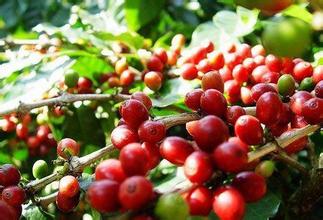
Boutique Coffee beans: introduction to Ethiopian Coffee Industry and Coffee Import and Export
Ethiopia is one of the major producers of Arabica coffee in Africa, producing the best Arabian coffee in the world. It is said that coffee was first discovered by shepherds in Essekafa, and the name of coffee evolved from Kafa, so Essex is still the hometown of coffee. The geographical environment of coffee production and processing is very suitable for coffee growth. Coffee is mainly cultivated.
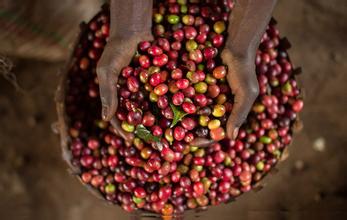
Boutique coffee beans Ethiopian coffee the latest coffee introduction unique flavor
Coffee is Ethiopia's most important export cash crop and the main source of Ethiopia's foreign exchange earnings. Ethiopia's coffee exports account for about 3% of the world market, making it the eighth largest coffee exporter in the world. Coffee exports increased steadily from 58000 tons in 1990 to 110000 tons in 1995-1996 and remained at this level in the following years. 2001-2002

Ethiopian coffee bean producing area of Ethiopian coffee bean flavor manor
Coffee is Ethiopia's most important export cash crop and the main source of Ethiopia's foreign exchange earnings. Ethiopia's coffee exports account for about 3% of the world market, making it the eighth largest coffee exporter in the world. Coffee exports increased steadily from 58000 tons in 1990 to 110000 tons in 1995-1996 and remained at this level in the following years. 2001-2002

Introduction to the flavor and taste of Ethiopian boutique coffee beans
Coffee is Ethiopia's most important export cash crop and the main source of Ethiopia's foreign exchange earnings. Ethiopia's coffee exports account for about 3% of the world market, making it the eighth largest coffee exporter in the world. Coffee exports increased steadily from 58000 tons in 1990 to 110000 tons in 1995-1996 and remained at this level in the following years. 2001-2002

Flavor description of Ethiopian Guji Coffee beans introduction to the production area of Grinding scale Manor
Ethiopian Guji coffee bean flavor description grinding scale manor production area coffee is Ethiopia's most important export cash crop and the main source of Ethiopia's foreign exchange earnings. Ethiopia's coffee exports account for about 3% of the world market, making it the eighth largest coffee exporter in the world. Coffee exports increased steadily from 58000 tons in 1990 to 1995-1996.

Ethiopian coffee flavor with intense nutty aromas. Manor characteristics. Fine coffee medium.
In Ethiopia, coffee classification and quality control systems are divided into producer, regional and national levels. All coffees are inspected by local inspection agencies before they leave the country of origin, and then re-inspected at coffee inspection and grading centres in Addis and Diredova to determine their quality grade. Coffee is graded prior to auction and sale, and all participants in production, acquisition,

Sidamo Coffee Flavor description Candle Coffee Flavor description
Sidamo Coffee Flavor description Coffee is Ethiopia's most important export cash crop and a major source of foreign exchange earnings. Ethiopia's coffee exports account for about 3% of the world market, making it the eighth largest coffee exporter in the world. Coffee exports increased steadily from 58000 tons in 1990 to 110 tons in 1995-1996.